
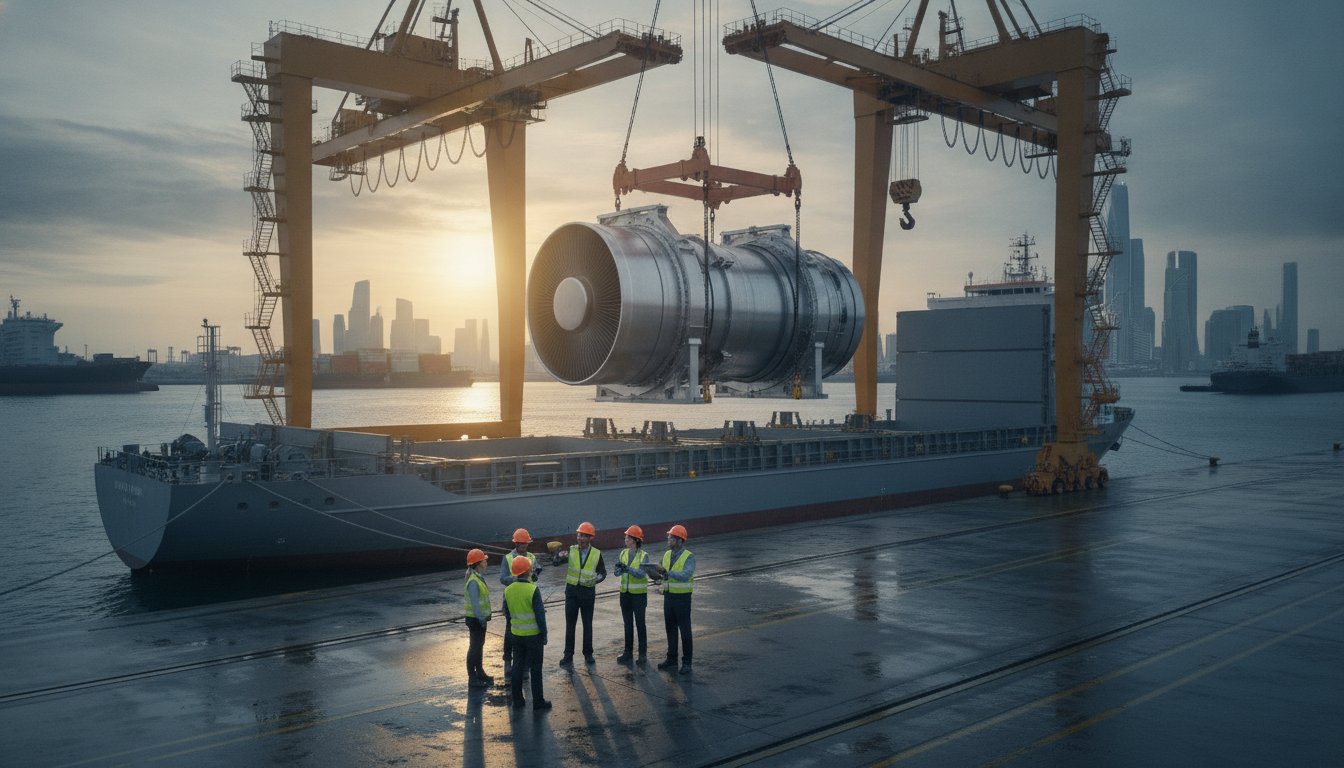
A single logistical oversight in project cargo doesn’t just delay a shipment; it halts an entire industrial timeline and burns through capital at an unsustainable rate. When your cargo exceeds the standard 80,000-pound threshold or requires specialized breakbulk handling, the margin for error disappears. You understand that moving multi-million dollar assets across global sea routes is an engineering feat, not just a transportation task. The complexity of oversized ocean freight often leads to unpredictable surcharges and customs bottlenecks that generic forwarders simply aren’t equipped to handle. These failures aren’t just inconvenient. They’re catastrophic for your bottom line.
This guide provides the strategic framework you need to master the movement of non-standard, high-value industrial equipment with absolute precision. We’ll show you how to secure fixed, predictable logistics timelines while maintaining complete regulatory compliance. From the necessity of physical route surveys to the intricacies of ITAR-compliant documentation, we’ll examine the methodology required for flawless execution. You’ll learn how to eliminate transparency gaps and ensure your high-stakes project moves are completed without damage or delay. Success in project logistics is determined long before the vessel leaves the port. It starts with a steady, expert hand.
Key Takeaways
- Identify the 2026 thresholds for Out of Gauge (OOG) cargo and why high-stakes moves require a transition from standard shipping to integrated project logistics.
- Select the correct vessel and handling methodology for oversized ocean freight to eliminate transit damage and ensure cargo integrity for high-value assets.
- Recognize why a port-to-port quote is insufficient and how physical site surveys identify real-world obstacles before they cause costly delays.
- Navigate the rigorous requirements of ITAR-compliant logistics and international trade documentation to prevent customs bottlenecks and regulatory fines.
- Implement a line-down prevention mentality by integrating crating, rigging, and brokerage through strategic industrial gateways like Taylor, Michigan.
What Defines Oversized Ocean Freight in 2026?
Standard containerization has its limits. In the world of industrial manufacturing, those limits are often exceeded by the first piece of equipment on the manifest. Any cargo that surpasses the dimensions of a standard 40-foot High Cube container, specifically items wider than 8 feet 6 inches or higher than 9 feet 6 inches, falls into the category of oversized ocean freight. This isn’t just a matter of size; it’s a matter of technical complexity. Industrial leaders have shifted their focus from simple shipping to comprehensive Project Logistics. This evolution acknowledges that moving a mission-critical asset, like a massive automotive stamping die or a defense vehicle, is an engineering challenge that requires a steady, expert hand.
Standard ocean routes aren’t built for these loads without specialized oversight. High-value items such as power generation turbines or heavy industrial machinery are often non-divisible, meaning they cannot be broken down into smaller, standard-sized shipments. This physical reality necessitates a move away from generic forwarders toward partners who understand the high-stakes nature of heavy lift operations. In 2026, the global Project cargo market is valued at USD 33.32 billion, reflecting the growing demand for these specialized services across the automotive and energy sectors.
Out of Gauge (OOG) vs. Breakbulk Cargo
The distinction between OOG and breakbulk is a critical factor in your logistics budget. Out of Gauge cargo stays within the container vessel system by utilizing flat racks or open-top containers, even if the cargo spills over the sides or top. It’s an efficient solution for many industrial components. However, when an item’s dimensions or extreme weight make container equipment impossible to use, it must move as breakbulk. These items are loaded individually onto the vessel deck or into the hold. Transitioning to a full project cargo solution is mandatory when the integrity of the asset depends on specialized rigging and individual handling that standard container systems cannot provide.
Key Metrics: Weight, Center of Gravity, and Dimensions
Precision is the only currency that matters in heavy lift. While standard logistics focuses on volume, oversized ocean freight prioritizes weight distribution and the Center of Gravity (CoG). An asymmetrical weight distribution in a piece of specialized tooling can lead to rigging failure during a crane lift or compromise vessel stability during a storm. Load Intelligence is the foundation of mission-critical logistics, integrating precise physical dimensions, weight distribution data, and structural blueprints to ensure absolute stability during every phase of transit. Without this data, you risk catastrophic asset damage and project-halting delays.
Primary Modes of Transport for Oversized Sea Freight
Maintaining cargo integrity begins well before the equipment is loaded onto a vessel. For businesses sourcing industrial machinery from Asia, The Inspection Company provides essential quality control and factory audit services to ensure that every component is manufactured to exact specifications before it enters the logistics chain.
Choosing the wrong vessel type for oversized ocean freight isn’t just a logistical error. It’s a high-stakes gamble with your cargo’s integrity. ICAT Detroit evaluates each asset based on fragility, weight distribution, and the technical requirements of the final mile. We don’t just book space. We engineer a solution that integrates ocean freight services with specialized ground transport to ensure a seamless transition from the quay to the factory floor. Every decision is calculated to prevent transit damage and eliminate the “line-down” scenarios that plague poorly planned project moves. Precision is the only way to protect high-value industrial assets.
Roll-On/Roll-Off (RoRo) and Lift-On/Lift-Off (LoLo)
RoRo remains the most efficient method for self-propelled or towable equipment. It’s the primary choice for defense vehicles and heavy construction machinery because it minimizes handling. The cargo simply rolls into the vessel’s protected interior, shielded from the elements. LoLo, conversely, is an engineering-heavy process. It utilizes specialized shipboard or shore-based cranes to lift non-divisible industrial components that cannot be wheeled. While LoLo offers flexibility for massive tooling, it requires precision rigging and a zero-error mentality. In 2026, the choice between these modes often hinges on port infrastructure and the availability of heavy-lift gear. Speed and cost must be balanced against the risk profile of the lift itself.
Flat Rack and Open Top Containers
For cargo that exceeds standard dimensions but still fits within a container vessel’s slot system, flat racks and open tops are the industry standard. Open tops allow for overhead loading of tall equipment, while flat racks accommodate wide loads that exceed the 8 foot 6 inch standard. These specialized containers often carry surcharges between 30% and 100% over standard rates due to the “lost slots” they create on a ship. Securing these loads is a mission-critical task. We utilize industrial-grade blocking, bracing, and tie-downs to neutralize the forces of ocean transit. A failure in securement is a failure in the mission.
The transition from sea to land is where many project moves fail. Your oversized ocean freight must eventually comply with Federal Size and Weight Regulations once it hits the US highway system. This requires proactive planning for permits and escort vehicles long before the vessel arrives. If your cargo exceeds the 120,000-pound “superload” threshold, the complexity increases exponentially, requiring bridge stress analysis and rigorous engineering reviews. Managing these moving parts requires a partner who takes full ownership of the outcome. To discuss the specific requirements of your next high-value move, reach out to our project team for a technical consultation.
Technical Planning: Route Engineering and Site Surveys
A port-to-port quote is a dangerous simplification. For oversized ocean freight, the marine leg is only one variable in a high-stakes equation. Relying on a generic quote ignores the physical realities of the origin and destination. If your cargo cannot clear a bridge five miles from the terminal, the entire project fails. True technical planning requires an engineering-first approach. We treat project logistics as a mission-critical operation where the “last mile” is often the most complex. A site-specific rigging plan must be synchronized with the vessel’s arrival to prevent manufacturing shutdowns and mounting demurrage costs. Precision is the only way to protect your timeline.
The Marine Leg Route Survey
Success begins with a comprehensive analysis of maritime infrastructure. Digital mapping cannot replace physical verification. We evaluate port draft and crane lifting capacities at both the load and discharge ports to ensure the vessel can be handled safely. Seasonal weather risks, such as North Atlantic winter swells or tropical storm windows, are factored into the transit timeline to mitigate risk. Maritime congestion at key transshipment hubs can derail a schedule. We identify these bottlenecks early, noting that resources like adimarships.com provide the historical and technical context needed to understand the complexities of major transit routes like the Panama Canal. Every transshipment point is a potential failure node; we minimize these touches through strategic carrier selection and technical oversight.
The transition from the quay to the industrial corridor requires precise inland engineering. In the Detroit corridor, this means navigating a dense network of infrastructure and strict regulatory zones. Bridge clearances and utility line heights are verified through physical route surveys. We don’t guess. We measure. Permit acquisition is a critical path item. Standard oversized permits often take 3 to 5 business days. However, “superloads” exceeding 120,000 pounds require weeks of engineering analysis and bridge stress reviews. We synchronize the sea arrival with the availability of specialized ground equipment and police escorts. This prevents the cargo from sitting idle at the port where storage fees and security risks accumulate. Managing the mission-critical timeline is about controlling every variable from the factory floor to the final foundation. There is no room for error when a line-down situation is at stake.
Compliance and Documentation for International Heavy Lift
Physical transit is only half the battle. In the logistics of oversized ocean freight, the documentation is what ultimately grants or denies passage. A single clerical error on a manifest or an incorrect Harmonized Tariff Schedule (HTS) classification can strand a multi-million dollar asset at a terminal for weeks. This leads to mounting storage fees and project-crippling delays. Managing cross-border documentation for high-value industrial equipment requires absolute precision. We act as the steady hand in trade compliance, ensuring that every Shipper’s Letter of Instructions (SLI) is a perfect reflection of the physical cargo. Generic forwarders often treat the SLI as a formality. We treat it as a mission-critical blueprint. Without this level of oversight, you aren’t just shipping; you’re gambling with regulatory fines and administrative holds that can halt a production line indefinitely.
ITAR and EAR Compliance for Defense Cargo
Defense-related project moves operate under a strict regulatory umbrella. Navigating ITAR compliant logistics requires more than just standard brokerage; it demands a rigorous chain of custody and specialized security protocols. Sensitive military assets and dual-use technologies are subject to Export Administration Regulations (EAR) that leave no room for ambiguity. We maintain total transparency and oversight, ensuring every documentation detail matches the physical cargo specifications exactly. This includes verifying licenses, end-user statements, and pro-forma invoices against the actual dimensions and weights of the load. When failure is not an option, our security-first mentality protects both the asset and your standing with federal agencies. We take full ownership of the compliance outcome, projecting a mentality where failure is simply not considered a possibility.
Customs Brokerage for Complex Machinery
Classifying oversized equipment is a technical exercise that requires deep industry knowledge. Industrial machinery often consists of multiple components that must be classified under the correct HTS codes to ensure accurate duty assessment and avoid audits. Temporary imports for specialized tooling or trade show equipment require even more nuance, utilizing Carnets or temporary import bonds to avoid unnecessary tax liabilities. We utilize pre-cleared documentation strategies to move cargo through customs before the vessel even docks. This proactive involvement eliminates the risk of port storage fees and keeps your mission-critical timeline intact. Waiting for the cargo to arrive before filing is a reactive strategy that invites chaos. If you are moving high-value machinery across international borders, consult with our trade compliance experts to secure your transit path and ensure a seamless entry.
The ICAT Detroit Advantage: Precision in High-Value Logistics
Industrial leaders don’t seek a vendor for their most complex moves. They require a partner who understands that a single failure is a project-ending event. At ICAT Detroit, we specialize in oversize freight handling with a mentality where failure isn’t considered a possibility. Our Taylor, Michigan headquarters provides strategic access to the Detroit industrial corridors and international sea routes, positioning us as an elite gateway for North American manufacturing. We don’t just manage transportation; we provide proactive oversight. This includes the integration of specialized packaging and crating services engineered to neutralize the unique stresses of oversized ocean freight transit. Every crate is a custom solution designed to protect the integrity of your mission-critical assets.
Mission-Critical Support for Automotive and Defense
The automotive and defense sectors operate with zero margin for error. We’ve successfully moved massive automotive stamping dies where a single day of delay would’ve cost the client millions in lost production. Supporting Just-In-Time (JIT) manufacturing requires more than just speed. It requires the seamless synchronization of ocean-to-ground logistics. Our team maintains a “Line-Down” prevention mentality throughout the planning phase. We conduct the site surveys and route engineering discussed earlier to ensure that when the cargo arrives, it moves directly to its final placement. This proactive oversight eliminates the friction points that generic forwarders often miss. We stay direct and methodical, moving quickly from identifying critical needs to presenting a decisive resolution.
Tailored Solutions for Industrial Tooling
High-value industrial tooling requires specialized rigging and transport protocols that exceed standard industry practices. We focus on reducing the total cost of ownership through expert risk mitigation and technical excellence. By managing the crating, rigging, and customs brokerage under one authoritative expert hand, we eliminate the transparency gaps that lead to damaged assets. Our results-oriented approach ensures that your logistics timeline remains fixed and predictable. We value directness over marketing fluff because we know your project depends on exactness. Don’t leave your high-stakes project cargo to chance. Request a specialized quote for your oversized move and secure the steady, expert hand your mission requires.
Mastering the Heavy Lift: Secure Your Industrial Future
Success in moving oversized ocean freight isn’t found in the shipment itself, but in the months of technical engineering and regulatory planning that precede it. You’ve seen how physical route surveys and precise load intelligence eliminate the variables that cause catastrophic delays. Managing high-value assets across global routes requires more than a simple booking; it requires a partner with ITAR compliant expertise and a network of specialized industrial rigging partners. We take full ownership of the mission-critical time management necessary to keep your production lines moving without interruption.
The complexity of project logistics demands a steady, expert hand that views failure as an impossibility. By integrating customs brokerage with specialized crating and ground solutions, we ensure your cargo reaches its final placement with absolute precision. Don’t let your next major project be defined by unpredictable costs or customs bottlenecks. Secure Your High-Value Cargo with ICAT Detroit’s Oversized Logistics Experts and move forward with the confidence of a seasoned veteran partner. Your most critical assets are in safe hands.
Frequently Asked Questions
What is considered oversized freight in ocean shipping?
Cargo is considered oversized when its dimensions exceed a standard 40-foot High Cube container, typically wider than 8 feet 6 inches or taller than 9 feet 6 inches. This threshold triggers a shift to specialized equipment like flat racks or open-top containers. If the load is non-divisible and significantly exceeds these limits, it transitions to breakbulk. It’s vital to identify these measurements early to avoid the surcharges associated with lost vessel slots.
How do I calculate the cost of oversized ocean freight?
Pricing for oversized ocean freight is determined on a case-by-case basis rather than standard published rates. Carriers calculate costs based on the physical dimensions, gross weight, and the number of container slots lost on the vessel. Special equipment like flat racks often carries surcharges between 30% and 100% over standard rates. We recommend factoring in port handling fees, specialized rigging, and inland permit costs to establish a realistic and predictable logistics budget.
What is the difference between Breakbulk and RoRo shipping?
The primary difference lies in the loading method and cargo mobility. Roll-On/Roll-Off (RoRo) is designed for self-propelled or towable equipment like defense vehicles and heavy machinery, which move via the vessel’s internal ramps. Breakbulk involves loading large, non-divisible items individually onto the ship using specialized cranes. While RoRo offers superior protection from the elements, breakbulk is the only viable option for massive industrial components that cannot be wheeled or towed.
Do I need special insurance for oversized industrial cargo?
Standard carrier liability is almost never sufficient for high-value industrial assets. You require specialized cargo insurance that covers the full replacement value and the unique risks of heavy-lift operations. This includes coverage for loading, unloading, and transit stresses that standard policies might exclude. We advise reviewing your policy for all-risk terms to ensure your capital is protected against unforeseen maritime incidents or handling errors during complex rigging maneuvers.
How long does it take to get permits for an oversized load?
Permit lead times vary based on the complexity of the load and the jurisdiction. Standard oversized permits typically take 3 to 5 business days to process. However, if your cargo is classified as a superload, often exceeding 120,000 pounds, the process can take several weeks. This extended timeline is necessary for rigorous engineering reviews, bridge stress analyses, and the coordination of police escorts. Proactive planning is essential to avoid port storage fees.
Can ICAT Detroit handle ITAR-compliant oversized shipments?
Yes, we specialize in managing ITAR-compliant shipments for the defense and aerospace sectors. Our team maintains a rigorous chain of custody and ensures every documentation detail aligns with federal export regulations. We provide the technical oversight required for sensitive military assets, combining specialized handling with total trade compliance. This security-first mentality ensures your mission-critical cargo moves through international borders without the risk of regulatory holds or administrative delays.
What information is needed for an oversized freight quote?
To provide an accurate quote for oversized ocean freight, we require precise blueprints and technical specifications. This includes exact length, width, and height, along with the gross weight and the Center of Gravity (CoG). You must also provide detailed origin and destination information to facilitate physical route surveys. Accurate data is the foundation of mission-critical logistics, allowing us to identify potential infrastructure bottlenecks and specialized rigging requirements before the move begins.
How do you prevent damage to heavy machinery during sea transit?
Damage prevention starts with custom packaging and crating solutions engineered for maritime stresses. We utilize industrial-grade blocking, bracing, and tie-downs to neutralize the forces of ocean transit and prevent cargo shifting. Our team works with specialized rigging partners to ensure every lift is executed with absolute precision. By integrating technical planning with proactive oversight, we maintain a line-down prevention mentality that protects your high-value assets from the quay to the final foundation.