
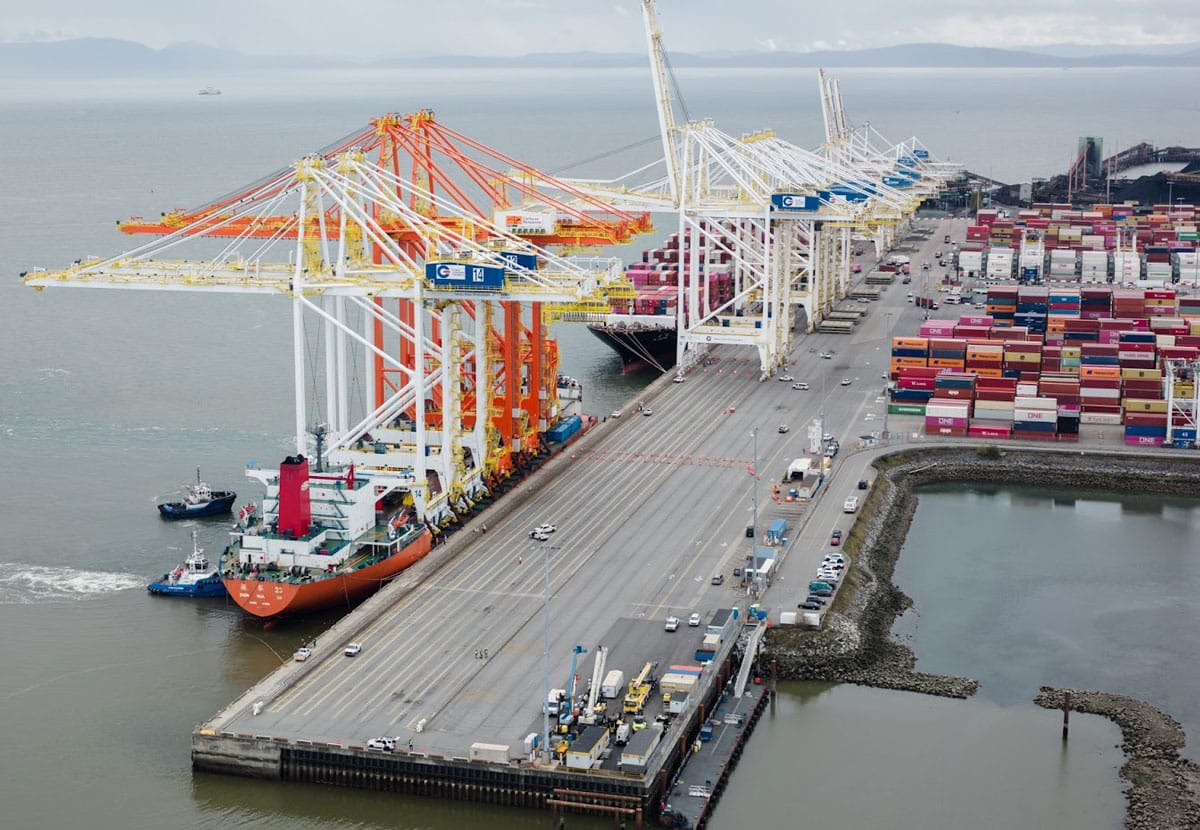
Global shipping in 2026 isn’t just about moving freight—it’s about navigating constant change.
Tariffs continue to shift, customs enforcement is tightening, and documentation requirements are being reviewed more closely than ever. For companies moving freight across borders, especially between the U.S., Canada, and Mexico, the margin for error is getting smaller.
And when something goes wrong at the border, it doesn’t just delay a shipment—it disrupts your entire operation.
Tariffs Are Changing Faster Than Most Teams Can React
Trade policy is evolving in real time. Ongoing geopolitical tensions and updated trade enforcement practices mean tariffs and duties are no longer static.
Shippers today are dealing with:
- Fluctuating duty rates tied to trade policy changes
- Increased scrutiny on country of origin claims
- Greater risk of misclassification penalties
Even small classification errors can lead to higher duties, fines, or shipment holds. If tariffs aren’t being actively monitored, costs can escalate quickly—often after the shipment is already in motion.
Why Customs Delays Are Increasing
Customs agencies are placing more emphasis on accuracy and compliance.
This includes:
- Verifying HTS (Harmonized Tariff Schedule) classifications
- Reviewing supporting documentation more thoroughly
- Increasing inspections for higher-risk shipments
Common issues that trigger delays include incomplete paperwork, mismatched commercial invoices, and incorrect country of origin declarations.
For industries like automotive, aerospace, and technology—where production timelines are tight—even a short delay can have a significant downstream impact.
Compliance Is No Longer Optional—It’s Strategic
What used to be treated as a back-end administrative task is now a front-end priority.
Companies that are successfully navigating global trade in 2026 are:
- Auditing classifications regularly
- Validating documentation before shipment departure
- Staying informed on tariff updates that impact their supply chain
- Working with logistics partners who understand customs—not just transportation
Because once a shipment reaches the border, your options become limited.
Cross-Border Shipping Requires Local Expertise
For companies moving freight between the U.S. and Canada, customs complexity can be underestimated.
Differences in documentation requirements, regulatory enforcement, and duty treatment can create issues if not handled correctly upfront. Having a partner who understands both sides of the border helps reduce risk and keeps freight moving without interruption.
How ICAT Logistics Detroit Helps Reduce Risk
At ICAT Logistics Detroit, we work with customers to address customs and trade requirements before the shipment moves—not after a problem occurs.
Our team supports:
- Accurate documentation and classification
- Cross-border shipping coordination
- Proactive communication to avoid delays
The goal is simple: move your freight efficiently while protecting your business from unnecessary risk.
ICAT Logistics Detroit specializes in international shipping, customs compliance, and cross-border freight solutions. Contact us today to keep your shipments moving without surprises.