
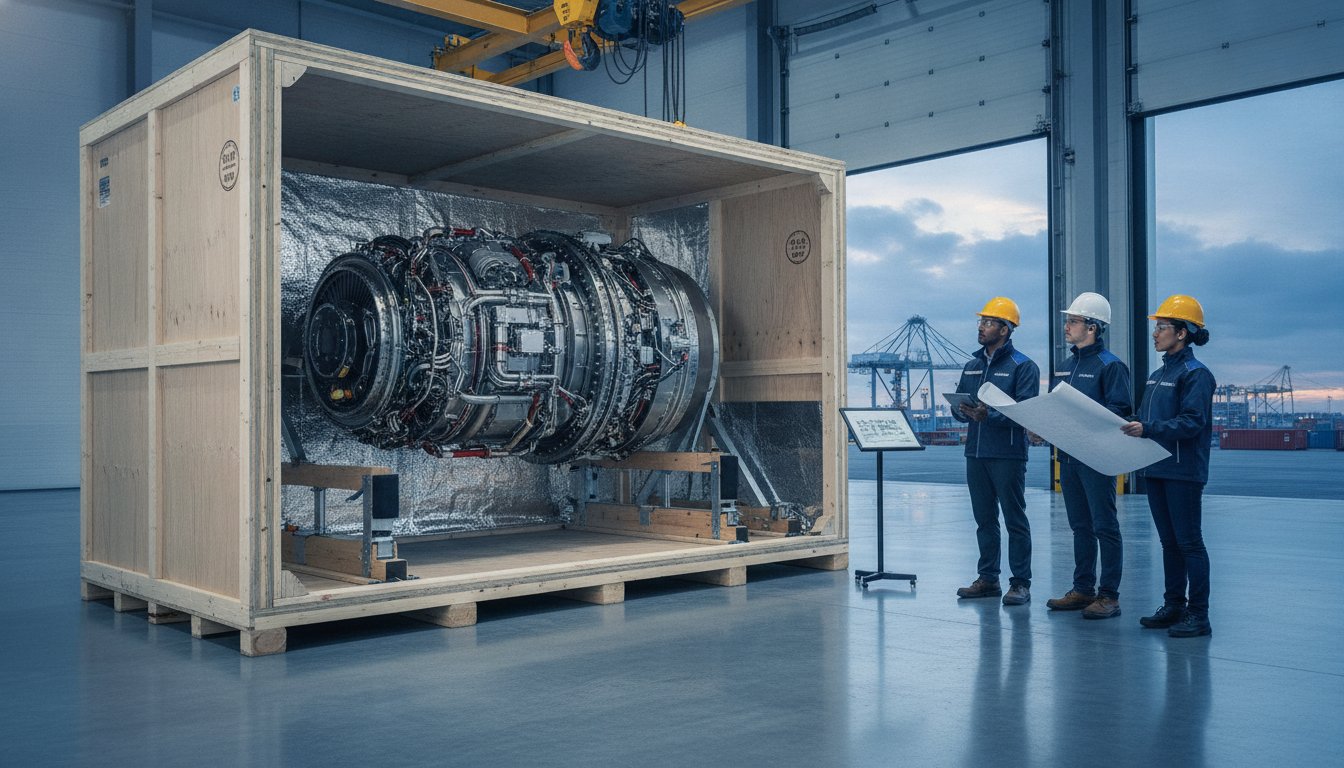
A single structural failure during transit can compromise a multi-million dollar asset and trigger a catastrophic line-down event. When your cargo is oversized, high-value, or time-sensitive, standard solutions are a liability. Securing mission-critical cargo requires packaging and crating services freight solutions that treat engineering as the first line of defense. It’s not just about building a box. It’s about neutralizing the physical and regulatory risks that threaten your global supply chain.
You already know that the hand-off between crating providers and freight forwarders is where most errors occur. Whether it’s confusion over ISPM-15 wood standards or the complexities of ITAR compliance, the stakes are too high for fragmented oversight. This article demonstrates how integrated industrial packaging and custom crating secure your most critical freight against the rigors of global transit. We will examine the technical requirements for zero-damage delivery and the operational advantage of maintaining a single point of accountability from the warehouse floor to the final destination.
Key Takeaways
- Identify why standard pallets fail and how engineered packaging serves as a tactical defense against transit damage for high-value industrial assets.
- Evaluate the technical differences between solid-wall and slatted crates to determine the most secure architecture for your specific packaging and crating services freight requirements.
- Ensure seamless international transit by implementing ISPM-15 wood standards and advanced vapor barrier protection to prevent corrosion during long-haul ocean shipping.
- Eliminate hand-off risks by integrating on-site crating with professional rigging and project logistics under a single point of accountability.
- Maintain full compliance for sensitive defense and automotive cargo through ITAR-compliant logistics and precision-engineered security protocols.
Beyond the Box: Why Industrial Freight Demands Engineered Packaging
Industrial freight involves more than just moving an object from point A to point B. It’s about protecting an investment that often costs more than the transport itself. For high-value assets, standard packaging isn’t just insufficient; it’s a liability. When a shipment involves precision tooling or defense components, a failure in structural integrity during transit can halt an entire production line. This is why specialized packaging and crating services freight solutions must move beyond basic containment toward tactical engineering. At ICAT Detroit, we view packaging as the first step in risk management. It’s a proactive measure to ensure that complex machinery survives the chaotic environment of global transit without a scratch.
The Limitations of Standard Freight Prep
Standard Less-Than-Truckload (LTL) prep is designed for speed and uniformity, not the unique physics of oversized industrial gear. During multi-modal transit, cargo faces constant vibration, sudden shock, and extreme atmospheric shifts. Standard pallets often lack the reinforcement needed to withstand these stresses. Understanding the fundamentals of Crate construction and uses reveals that engineered crates provide the necessary rigidity to neutralize external forces. As we move into 2026 logistics, the shift toward engineered protection is essential for preventing the structural fatigue that ruins sensitive equipment before it ever reaches the job site. Transitioning from generic boxing to custom-engineered solutions eliminates the “hidden” damage that often goes unnoticed until the crate is opened.
Industry-Specific Requirements: Automotive and Defense
In the heart of American manufacturing, the requirements are even more stringent. Automotive clients rely on packaging as a primary defense against “line-down” scenarios. Securing Tier 1 components or massive stamping dies for expedite ground shipping requires custom internal bracing that prevents even a millimeter of movement. For the defense sector, the challenge is twofold: physical protection and regulatory rigor. Managing ITAR compliant logistics Michigan operations means ensuring every crate meets specific security and documentation standards. One-size-fits-all solutions don’t exist here. ICAT Detroit approaches every project with a zero-error mentality, treating packaging as a critical component of the total logistics strategy. We provide the steady hand needed to navigate high-pressure deadlines while maintaining absolute precision in every build.
Custom Crating Solutions for High-Value and Oversized Assets
Every mission-critical shipment presents a unique geometric challenge. Selecting the correct architecture is the first step in neutralizing transit risks. Solid-wall crates provide a total barrier against environmental contaminants and theft, making them the standard for sensitive medical or aerospace equipment. Slatted crates, conversely, offer a lighter profile for robust industrial parts that require airflow. Professional packaging and crating services freight providers analyze the asset’s center of gravity and fragility before a single nail is driven. This ensures the crate doesn’t just hold the item, but actively protects it from the physics of global movement.
Engineered Wood Crating and Palletizing
The foundation of any industrial crate is its load-bearing capacity. For massive components, we design custom skids and saddles that facilitate safe oversize freight handling. These heavy-duty bases are engineered to prevent bowing or snapping under extreme weight. Saddles are contoured to the specific shape of the asset, providing 360-degree stability for cylindrical or irregular loads. Weight distribution is calculated to ensure stability during high-pressure maneuvers, such as ocean loading or rapid ground transport. Compliance is equally critical. All timber used in our builds adheres to ISPM-15 compliance standards to avoid costly border delays. For assets that move repeatedly between facilities, reusable crating with reinforced corners and recessed hardware offers a sustainable, high-protection alternative to single-use packaging.
Specialized Internal Protection
Eliminating internal movement is where engineering meets execution. Standard packing material is insufficient for high-precision instrumentation that cannot tolerate even minor G-force spikes. We utilize a combination of timber blocking and bracing to anchor the asset’s frame directly to the skid. For delicate electronics or calibrated tools, custom foam inserts or vibration-dampening mounts provide a secondary layer of protection. The choice between polyethylene and polyurethane foam is determined by the asset’s weight and the specific frequency of vibration expected during transport. This internal architecture is designed to absorb the shocks inherent in multi-modal transit. We also address the security of sub-components within larger assemblies, ensuring that internal wiring or glass elements remain intact. If you’re managing a shipment with zero margin for error, contact our logistics experts to discuss a tailored internal protection plan.
Vapor Barriers, ESD, and ISPM-15: Technical Standards for Global Transit
Structural integrity provides the physical shield, but environmental factors often pose the greatest threat to mission-critical assets. During long-haul transit, cargo is exposed to fluctuating temperatures, salt air, and static electricity. These invisible variables can compromise precision electronics or corrode bare metal surfaces before the shipment reaches its destination. Professional packaging and crating services freight must account for these risks through advanced material science and strict adherence to international protocols. Failure to address the atmospheric environment is a failure in the total logistics strategy.
Climate Control and Corrosion Prevention
Maritime environments are notoriously aggressive. When utilizing ocean sea freight shipping, assets face weeks of exposure to high humidity and corrosive salt spray. We neutralize this threat using vacuum-sealed vapor barrier bags combined with high-capacity desiccant packs. This process removes moisture from the immediate environment of the asset, creating a stable internal climate. For oversized equipment that cannot fit into standard containers, we apply heavy-duty heat shrink wrapping. This specialized film creates a puncture-resistant, weather-tight seal that protects machinery on flatbeds or open-deck vessels. We also integrate humidity indicators that provide a visual record of the internal environment, ensuring the asset remained within safe parameters throughout the voyage. For aerospace and technology sectors, Electrostatic Discharge (ESD) protection is equally vital. We utilize anti-static cushioning and shielding bags to prevent latent component failure caused by static buildup during movement.
International Compliance and Documentation
Regulatory delays are as costly as physical damage. The primary hurdle in global trade is the ISPM-15 standard, which requires all wood packaging thicker than 6mm to be heat-treated and certified. In 2026, enforcement of these protocols has become even more stringent. If a crate lacks the proper certification stamp, customs authorities can quarantine the entire shipment or even mandate its immediate return at the shipper’s expense. We eliminate this risk by using only certified, heat-treated lumber and maintaining meticulous documentation for every build. Our process ensures that your packaging meets the specific environmental regulations of the destination country, whether you’re shipping to Europe, Asia, or South America. This level of oversight turns compliance from a potential bottleneck into a seamless part of the transport process. It’s about providing a single point of accountability that covers both the physical safety of the asset and the legal requirements of its journey.
Integrating Rigging and Crating for Complex Project Logistics
Securing oversized machinery requires a seamless blend of heavy lifting and engineered protection. When packaging and crating services freight providers operate in a vacuum, the result is often a crate that obscures critical lifting points or fails to support the asset’s center of gravity during a crane lift. In high-stakes industrial moves, the hand-off between rigging teams and packaging specialists is a frequent point of failure. Integrated project logistics requires a unified strategy where the crate is engineered to facilitate the move, not obstruct it. We ensure that every structural element of the enclosure is designed with the final rigging maneuvers in mind, maintaining safety and precision from the factory floor to the foundation.
On-Site Packaging and Mobile Crating Teams
For mission-critical equipment that cannot be moved safely without protection, on-site crating is the only viable solution. Our mobile teams build the enclosure directly on your factory floor, ensuring the asset is protected before it ever feels the vibration of a forklift. This approach eliminates the high-risk “pre-packaging” transit phase and reduces the overall timeline for time-sensitive projects. Coordination with riggers is paramount during this stage. We identify and mark safe lifting points, ensuring they remain accessible after the crate is sealed. By packaging at the point of origin, we maintain absolute control over the environment and the handling protocols, providing a steady hand during the most vulnerable part of the journey.
Packaging for Multi-Modal Shifts
A crate designed for a single truck ride will fail if it’s suddenly diverted to an ocean vessel or an aircraft. Mission-critical assets often require transitions between expedite ground transport and high-density air or sea freight environments. We design every build to withstand these multi-modal shifts. This includes reinforced points for crane lifting and heavy-duty bases that can handle the concentrated pressure of forklift blades. Structural integrity is prioritized to allow for safe stacking or securing in high-density cargo holds. We don’t just build for the first leg of the trip; we build for the rigors of the entire global supply chain. If your next project involves complex site-to-site moves, contact ICAT Detroit to synchronize your rigging and crating requirements.
ICAT Detroit: Precision Packaging for Mission-Critical Freight
Logistics is a sequence of high-pressure decisions. Success depends on the weakest link. ICAT Detroit eliminates that weakness by integrating packaging and crating services freight directly into the broader transport strategy. Based in Taylor, Michigan, we’re positioned at the epicenter of American manufacturing. This proximity allows us to provide local expertise while leveraging a global network to move oversized and sensitive assets to any destination on earth. We don’t just provide a service. We take full ownership of the outcome from the initial design to the final delivery.
Our engineering team designs solutions tailored to the specific demands of the automotive, defense, and medical sectors. For automotive clients, we focus on “line-down” prevention by securing tooling and Tier 1 components for rapid transit. For defense, we ensure ITAR compliance and rigorous security protocols are maintained throughout the journey. Medical shipments receive the precision climate and vibration protection required for sensitive technology. By combining packaging with our project logistics capabilities, we remove the friction that typically occurs between crating and transport execution.
A Partner in Failure Prevention
Industrial leaders choose ICAT Detroit because we manage the complexity they cannot afford to ignore. A single point of contact simplifies communication. It ensures that the packaging engineer and the freight forwarder are working from the same playbook. In 2026, compliance and speed are non-negotiable. We adhere to the latest international standards for security and structural integrity. This commitment provides the peace of mind that comes from knowing your high-value assets are in the hands of a protective, knowledgeable partner. Failure is not an option when the margin for error is non-existent.
Streamlining Your Next High-Value Move
Optimization begins with an honest assessment of your current risks. Many organizations rely on legacy packaging methods that haven’t kept pace with modern multi-modal transit stresses. Evaluating your strategy for cost and risk often reveals critical vulnerabilities in internal bracing or environmental sealing. We assist clients in identifying these gaps before they lead to a transit loss. It’s about proactive involvement rather than reactive damage control.
Transitioning to a professional, integrated solution is a decisive step toward supply chain resilience. Whether you’re moving a single oversized machine or managing a complex international project, the process starts with precise data and a methodical plan. Request a specialized freight quote for your mission-critical assets and secure your investment with the industry’s most reliable packaging and transport experts.
Eliminate Transit Risk Through Technical Precision
Securing mission-critical cargo requires a shift from standard boxing to tactical engineering. We’ve explored how specialized internal bracing, environmental vapor barriers, and rigorous compliance with ISPM-15 standards form a comprehensive defense against transit damage. When you integrate these packaging and crating services freight solutions with expert rigging and project logistics, you eliminate the dangerous hand-off risks that often lead to failure. It’s about protecting your investment with absolute certainty.
ICAT Detroit provides the steady hand required for these high-stakes operations. From our strategic Taylor, Michigan location, we leverage a global project logistics network to move your most sensitive assets across borders with zero-error execution. As ITAR compliance experts, we ensure every regulatory and physical requirement is met before your cargo leaves the floor. You don’t have to navigate these complexities alone. We take full ownership of the outcome to ensure your equipment arrives ready for immediate deployment. Secure Your High-Value Assets with ICAT Detroit and gain the reliability your supply chain demands. We’re ready to help you execute your next mission with total confidence.
Frequently Asked Questions
What is the difference between crating and skidding for freight?
Crating provides a full six-sided enclosure for total protection, while skidding is an open-platform base designed for stability. Crates are the standard for sensitive or high-value items requiring a physical barrier against impact and contaminants. Skidding is used for robust industrial machinery that can withstand exposure but requires a heavy-duty foundation. Specialized packaging and crating services freight often utilize custom skids as the structural base for a larger engineered crate.
Why is ISPM-15 certification required for international shipping?
ISPM-15 is a mandatory international standard designed to prevent the spread of invasive species through wood packaging materials. Any timber thicker than 6mm must undergo heat treatment and receive a certified stamp. Without this mark, your mission-critical shipment faces immediate quarantine or rejection by customs authorities. This regulation is strictly enforced across global trade routes to protect local ecosystems from timber-borne pests and ensures your cargo moves without regulatory delays.
Can custom crating be done on-site at my facility?
Yes, on-site crating is a standard requirement for mission-critical assets that cannot be safely moved without protection. Our mobile teams build the enclosure around the asset at your factory floor. This eliminates the risk of damage during the initial transport to a packaging facility. It also allows for direct coordination with rigging teams to ensure lifting points are clearly identified and accessible before the crate is sealed.
What is vapor barrier packaging and when do I need it?
Vapor barrier packaging is a vacuum-sealed, moisture-proof enclosure used to prevent corrosion. You need this protection whenever high-value metal components are exposed to salt air during ocean transit or long-duration storage. By removing the air and adding desiccant packs, we create a stable internal environment. This prevents oxidation and latent electronic failure caused by humidity fluctuations in maritime environments, ensuring the asset arrives in factory-ready condition.
How do I protect sensitive electronics from ESD during transit?
Protection from Electrostatic Discharge (ESD) is achieved through specialized shielding bags and anti-static cushioning materials. These components dissipate static buildup that occurs during movement and handling. For aerospace or medical instrumentation, even a minor discharge can cause permanent latent damage. We integrate these materials into the internal architecture of the crate to ensure sensitive circuits remain operational upon arrival. It’s a critical step in maintaining the integrity of high-precision technology.
Does custom crating add significant weight to my freight costs?
While custom crating adds weight, it’s a calculated trade-off to prevent catastrophic transit loss. The weight of the lumber and internal bracing is factored into the total shipment engineering. In many cases, the cost of specialized packaging and crating services freight is significantly lower than the cost of a single line-down event or an insurance claim. We focus on lean, engineered designs that provide maximum protection with minimal unnecessary bulk.
How does crating impact the security of high-value cargo?
Solid-wall crating provides a physical and visual barrier that deters theft and tampering. By obscuring the contents of the shipment, you reduce the risk of targeted pilferage during multi-modal hand-offs. We also utilize tamper-evident seals and recessed hardware to enhance security. This level of protection is essential for high-value industrial assets and ITAR-compliant defense cargo moving through global supply chains where visibility equals vulnerability.
What information is needed to design a custom industrial crate?
Design begins with the asset’s exact dimensions, weight, and center of gravity. We also require a detailed assessment of the item’s fragility and any specific environmental sensitivities, such as moisture or static electricity. Understanding the final destination and the specific modes of transport is equally critical. This data allows our engineers to calculate the required load-bearing capacity and internal bracing needed to survive the rigors of global transit without failure.