
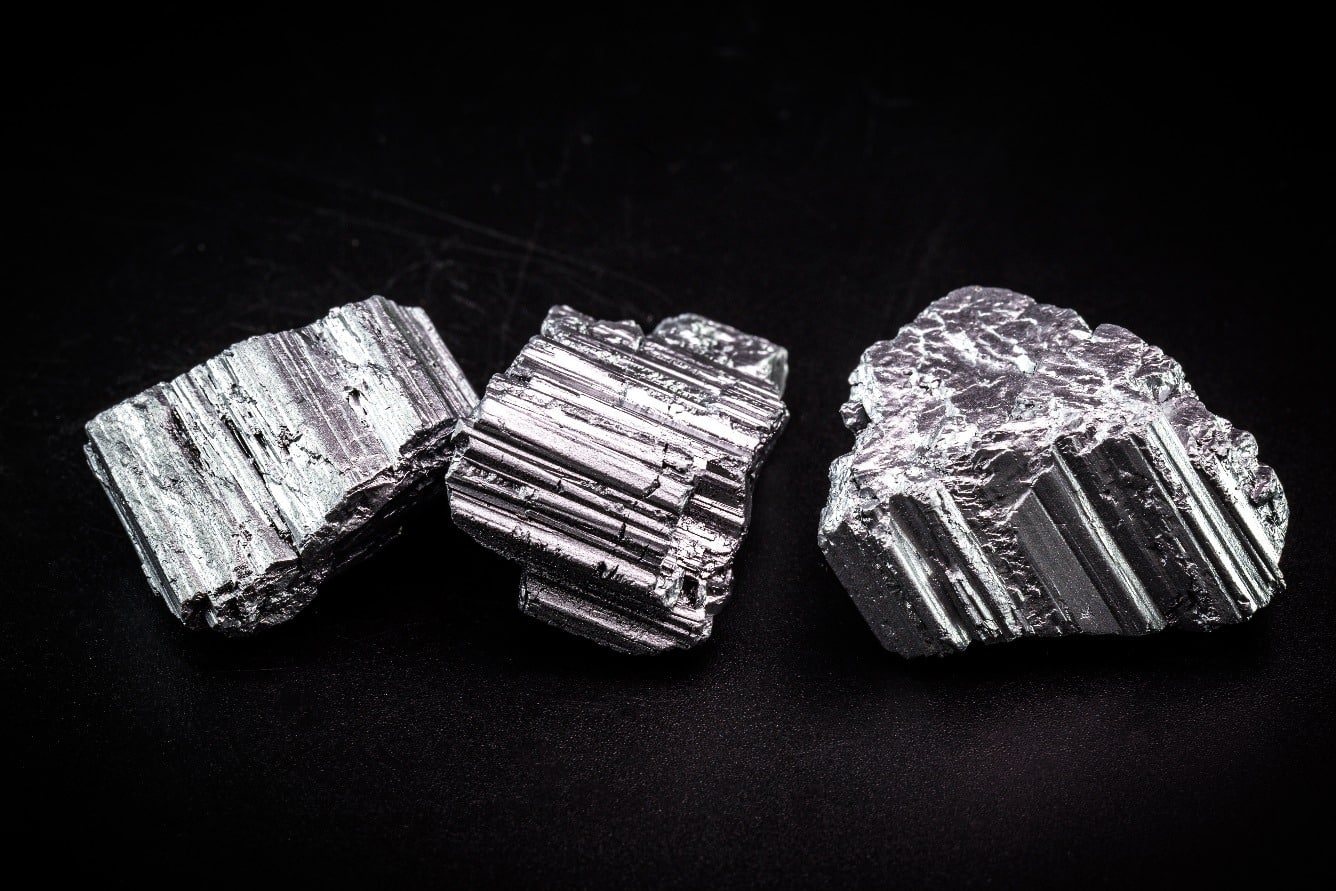
Tensions in the ongoing China-U.S. trade war have escalated, threatening a critical component of global manufacturing: rare earth elements (REEs). With China producing approximately 60% of global rare earth materials and controlling 85-90% of processing capacity, new trade restrictions could severely impact U.S. defense, manufacturing, and logistics networks.
What Are Rare Earth Elements? Why They Matter for Global Supply Chain
Rare earth elements are a group of seventeen metallic elements critical to advanced technologies despite not being truly “rare.” These critical minerals are essential for:
• Defense systems (guidance systems, radar)
• Electric vehicles (motors, batteries)
• Consumer electronics (displays, speakers)
• Renewable energy (wind turbines, solar panels)
• Medical devices (MRI machines)
How the China Trade War Impacts Rare Earth Element Supply Chains
The China trade war is shifting from tariffs to strategic materials, with China threatening to restrict exports of critical minerals like gallium and germanium. This creates immediate supply chain risks for defense contractors, electronics manufacturers, and clean energy firms, who are now implementing contingency sourcing strategies.
Supply Chain Vulnerabilities Exposed
The U.S. remains heavily dependent on Chinese rare earth processing for everything from F-35 fighter jets to smartphones. Even minor export disruptions can halt production lines, forcing shifts in global trade routes and creating logistics complications as companies seek alternatives.
Wider Supply Chain Ripple Effects for Manufacturing and Tech
Beyond military applications, industries relying on advanced electronics face supply delays, price volatility, and extended lead times. Supply chain managers and logistics providers must navigate new regulations, reconfigure carrier strategies, and continuously evaluate vendor reliability.
Securing Alternative Supply Sources
The U.S. government is accelerating investment in domestic rare earth mining projects in California and Texas while developing partnerships with allies like Australia and Canada. The Department of Defense has allocated over $100 million to rare earth initiatives, but building this infrastructure takes time.
Meanwhile, businesses must implement flexible logistics planning and diversified sourcing, with leading manufacturers now requiring suppliers to demonstrate supply chain resilience plans.
Building Supply Chain Resilience in the Face of Rare Earth Disruptions
This growing dependency on a single source country has exposed how vulnerable global logistics can be. To mitigate rare earth element supply chain disruptions, forward-thinking organizations are taking action:
• Mapping supply chain dependencies to assess rare earth exposure
• Developing alternative supplier relationships in partner nations
• Investing in recycling technologies for rare earth recovery
• Creating buffer inventories of critical raw materials
As geopolitical pressures grow, businesses that prioritize resilient logistics and flexible sourcing strategies will gain long-term stability and a competitive edge.
ICAT Logistics Detroit specializes in critical materials logistics, helping you stay compliant and connected even amid global trade uncertainty. Contact us to see how we can support your most sensitive and strategic shipments.